

Understanding and Repairing Wall Cracks
Noticing cracks in your walls can be worrying, but not all cracks are the same. Some are cosmetic and easy to fix, while others may point to deeper structural issues that need professional attention. Knowing the difference will help you decide whether you can repair the problem yourself or if you need expert support.
Common Crack Types and What They Mean
• Hairline cracks – Very fine cracks, often around doors and windows. Usually harmless.
• Vertical cracks – Often the result of a house settling. Small ones may not be serious, but wider ones should be checked.
• Diagonal cracks – May signal foundation issues. These should be assessed by a professional.
• Bulging or bowing cracks – Suggest that a wall is under pressure, often from water damage or poor drainage. This requires urgent repair
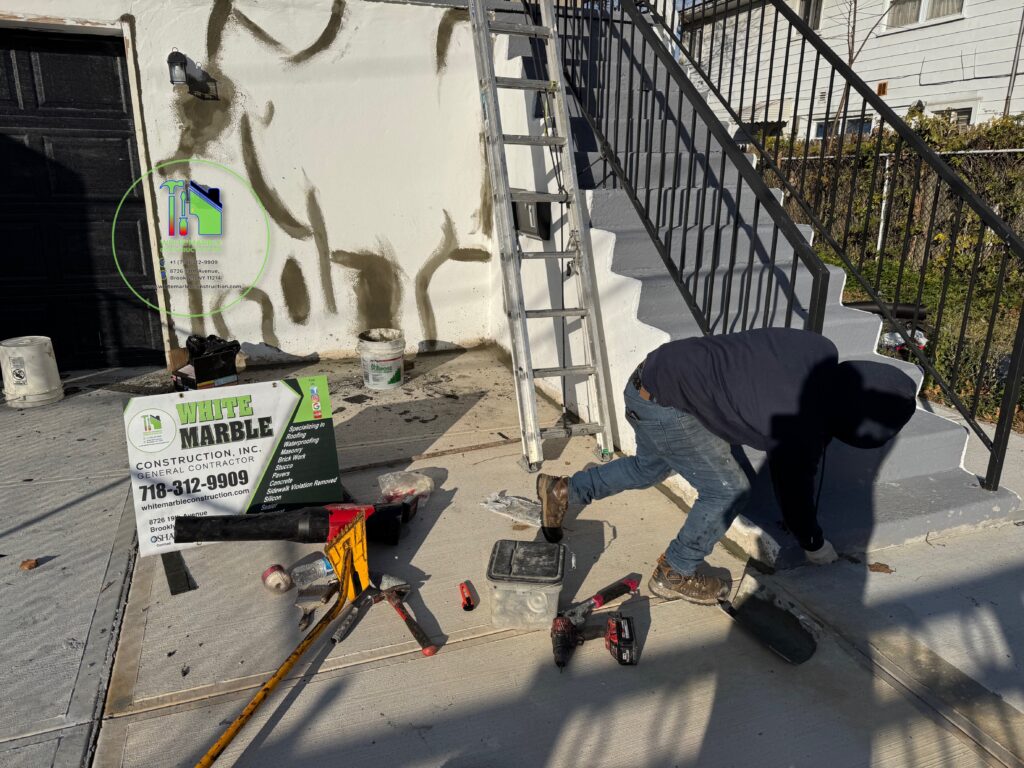
When to Worry About Cracks
Not every crack is a sign of danger. Cosmetic cracks can usually be patched with spackling, plaster, or filler. However, large, jagged, horizontal, or diagonal cracks may signal structural problems and should be inspected by a professional immediately.
Cracks in Specific Situations
Around windows and doors – Often hairline settlement cracks, but larger ones may indicate foundation issues.
After renovation – Some minor cracks are normal as materials adjust, but recurring or widening cracks could mean deeper issues.
In older houses – Cracks are common, but homeowners should distinguish between harmless cosmetic ones and those that threaten stability.
Repair Options
Cosmetic Cracks – Can usually be patched by homeowners using plaster, spackling, epoxy, or caulk depending on the material.
Settlement or structural cracks – Should be repaired by professionals, since they may involve foundation reinforcement or major construction.
Spalling or flaking areas – Often need to be rebuilt with fresh plaster or filler.
Brooklyn Weather & Wall Cracks
If you are living in Brooklyn, always check the weather forecast before hiring any wall cracks repair company. If there is rain and possibly high moisture levels, it’s not an ideal day for exterior repair work (especially for cracks exposed to weather).
Best Time (Weather & Season) to Do Repairs
- Dry, mild weather is best (no rain, moderate humidity). Moisture, damp surfaces, or rapid temperature swings can hinder good adhesion of repair materials (plaster, epoxy, fillers).
- Avoid doing repairs when it’s raining or very humid.
- Exterior cracks are better fixed in dry seasons, not in the rain.
- Interior cracks can be addressed anytime, but ensure the walls are dry and there is no ongoing water infiltration
Book your free wall cracks today at whitemarbleconstruction.com OR find us on Google Maps. Let White Marble Construction Inc. keep your basement dry, solid, and worry-free.
Trust White Marble Construction Inc., your local Wall Cracks Repair experts, has done so many masonry, waterproofing, Roofing, and renovation projects in Brooklyn, Queens, and Manhattan—to keep your home beautiful and weather-tight.
Schedule your basement inspection today by calling +1 (718) 312-9909 and get 20% discount.


Add Comment